
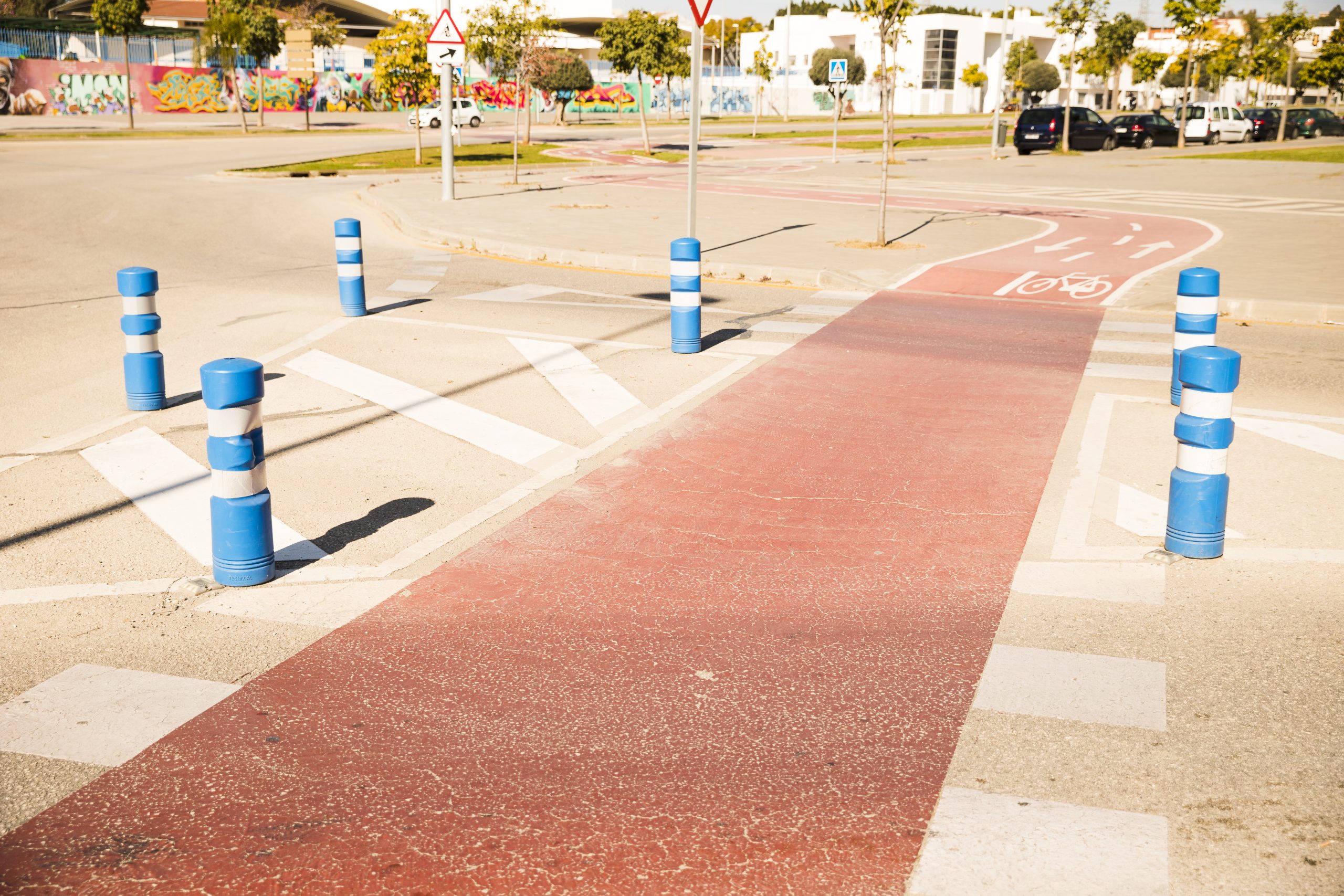
Have you ever pulled into a faded, poorly marked parking lot and felt confused about where to park?
If so, you’ve experienced firsthand why parking lot striping is so important. Clear, professional striping isn’t just about looks — it plays a crucial role in safety, compliance, and the overall customer experience.
Whether you own a commercial property, manage a shopping center, or oversee a residential complex, keeping your parking lot well-marked is essential. In this guide, we’ll cover everything you need to know about parking lot striping, from the basics of asphalt paving to common questions business owners ask.
Ready to refresh your lot?
Get a Free Parking Lot Striping Quote Today
What is Asphalt Paving?
Asphalt paving is the process of applying a smooth, durable layer of asphalt to create roads, driveways, and parking lots. Asphalt is a mixture of aggregates (like sand, stone, and gravel) combined with asphalt cement, which binds everything together.
Why asphalt is ideal for parking lots:
- Durability: With proper maintenance, asphalt lots can last 15–20 years or more.
- Smooth finish: Provides a safer and more comfortable driving surface.
- Quick installation: Asphalt can often be paved and ready for traffic within 24–48 hours.
- Cost-effective: Less expensive than concrete in most cases.
- Eco-friendly: Asphalt is 100% recyclable, making it a sustainable choice.
For commercial properties, asphalt paving offers the perfect balance of affordability, strength, and long-term value.
Is Asphalt Cheaper than Concrete?
The short answer: Yes, asphalt is usually cheaper than concrete, both upfront and over the life of your parking lot.
Here’s a quick comparison:
| Feature | Asphalt | Concrete |
| Initial Cost | $2.50 – $4.50 per sq. ft. | $4.00 – $7.00 per sq. ft. |
| Installation Time | 1–2 days | 3–7 days |
| Maintenance Cost | Lower | Higher |
| Lifespan | 15–20 years (with care) | 20–30 years (with care) |
| Appearance | Smooth, dark finish | Lighter, textured look |
Why asphalt is preferred for striping:
- The dark surface provides high contrast for striping lines, making them easier to see.
- Repairs are simpler and faster compared to concrete.
- Better suited for heavy vehicle traffic due to its flexibility.
While concrete may last longer in some climates, asphalt generally offers better ROI for most commercial and residential parking lots.
What is an Asphalt Paver?
An asphalt paver is a specialized machine used to lay asphalt evenly on roads, driveways, and parking lots. Think of it as the backbone of any paving project.
How it works:
- Asphalt mix is loaded into the paver’s hopper.
- The machine spreads the asphalt across the surface.
- A screed at the back smooths and partially compacts the layer.
- A roller follows to fully compact the asphalt.
This process ensures a smooth, uniform surface that’s ready for striping once fully cured.
Pro Tip: A high-quality paving job sets the foundation for effective striping. Without a smooth surface, lines can fade faster or appear uneven.
What is the Difference Between Asphalt and Tarmac?
The terms “asphalt” and “tarmac” are often used interchangeably, but they aren’t exactly the same.
|
Feature |
Asphalt | Tarmac |
|
Materials |
Asphalt cement + aggregates |
Tar + crushed stone |
|
Durability |
More durable, longer-lasting |
Weaker, prone to damage |
|
Modern Usage |
Widely used today |
Rarely used in modern paving |
| Appearance | Smooth, dark finish |
Rougher texture |
Today, asphalt has completely replaced tarmac for most commercial projects because it’s more reliable, environmentally friendly, and easier to maintain.
Why Parking Lot Striping Matters
Once your parking lot has been paved, striping is the next step. Clear, professional lines do more than just look good — they protect your customers and your business.
Here’s why it’s so important:
1. Safety and Traffic Flow
- Directs drivers safely through the lot.
- Reduces the risk of fender benders and pedestrian accidents.
- Provides clear zones for fire lanes, loading areas, and handicap spaces.
2. ADA Compliance
Businesses are legally required to provide accessible parking spaces.
Professional striping ensures your lot meets ADA (Americans with Disabilities Act) standards.
3. First Impressions Matter
Your parking lot is often the first thing customers see when they arrive.
Faded lines or a messy layout can make your business look neglected.
4. Liability Prevention
Accidents in poorly marked lots can lead to lawsuits.
Well-defined lines demonstrate that you’ve taken steps to ensure safety.
Protect your business and your customers with professional striping.
The Parking Lot Striping Process
When done by a professional like Isaac’s Asphalt Paving, striping follows a precise process to ensure accuracy and longevity.
Step-by-Step Guide:
- Cleaning & Preparation
- Sweep and power wash the lot.
- Remove dirt, oil, and debris to ensure paint adhesion.
- Layout Planning
- Measure and chalk lines for precision.
- Consider traffic flow, ADA requirements, and local regulations.
- Marking
- Apply high-quality, durable paint using professional-grade striping machines.
- Include arrows, crosswalks, and specialty markings as needed.
- Curing Time
- Allow paint to fully dry before allowing vehicles back on the lot.
Best Time of Year for Striping:
Spring and summer are ideal, as warm weather helps paint cure faster and last longer.
Common Parking Lot Striping Mistakes
Unfortunately, not all striping jobs are done correctly.
Here are the most common mistakes property owners should avoid:
- Faded lines due to cheap paint.
- Poor layout planning that causes traffic flow issues.
- Non-compliance with ADA regulations.
- DIY striping without professional equipment.
- Not cleaning the surface before painting.
Hiring a reputable contractor prevents these costly errors and ensures long-term value.
How Often Should You Restripe Your Parking Lot?
On average, you should restripe every 12 to 24 months.
However, several factors can affect this timeline:
- Climate: Snow, ice, and heavy rain can cause paint to fade faster.
- Traffic Volume: High-traffic lots need more frequent maintenance.
- Paint Quality: Premium paints last longer and save money over time.
Quick Tip: Schedule restriping during off-peak business hours to minimize disruption.
Cost of Parking Lot Striping
Parking lot striping costs vary, but here’s what to expect:
|
Factor |
Impact on Price |
|
Lot Size |
Larger lots cost more overall. |
|
Number of Spaces |
More spaces = higher cost. |
|
Special Markings |
Handicap symbols, arrows, etc. |
| Paint Quality |
Premium paints last longer. |
Typical Range:
- Small lots: $300 – $600
- Medium lots: $600 – $1,500
- Large commercial lots: $1,500 – $3,000+
Pro Tip: Investing in high-quality striping now prevents costly liability issues later.
Choosing the Right Contractor
The success of your striping project depends on the contractor you choose.
Here’s what to look for:
- Experience: Years of proven work in your local area.
- Knowledge of regulations: Especially ADA compliance.
- High-quality equipment: Professional striping machines and durable paints.
- References and reviews: Look for consistent positive feedback.
- Detailed quotes: Transparent pricing with no hidden fees.
Isaac’s Asphalt Paving has been serving Delaware and Maryland with top-tier paving and striping services for years.
Our team understands local codes, traffic flow requirements, and how to deliver a safe, long-lasting finish.
Don’t let faded lines hurt your business reputation or safety.
Schedule Your Parking Lot Striping Today
Conclusion
Parking lot striping is more than just paint on asphalt — it’s an investment in safety, compliance, and curb appeal.
A well-striped lot keeps customers safe, improves traffic flow, and shows that you care about every aspect of their experience.
By understanding the basics of asphalt paving, knowing when to restripe, and hiring the right contractor, you’ll ensure that your property remains safe, professional, and visually appealing for years to come.
If your lot is due for fresh markings, trust the experts at Isaac’s Asphalt Paving to get the job done right.


